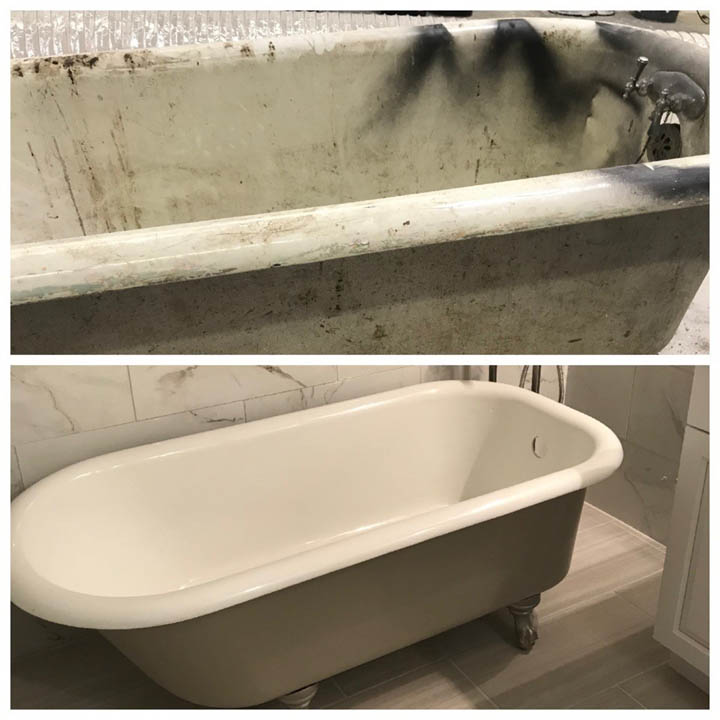
Yellow Bathtub? How to Make It White Again (Cleaning vs. Refinishing Guide)
April 13, 2026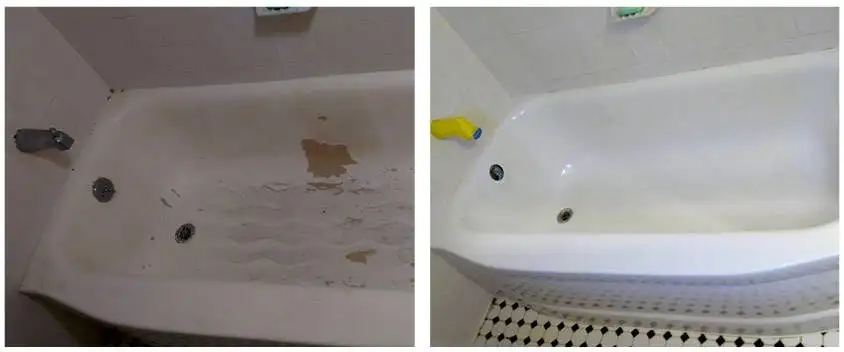
Bathtub Refinishing in Naperville, IL: Cost, Process, and What Homeowners Need to Know
April 16, 2026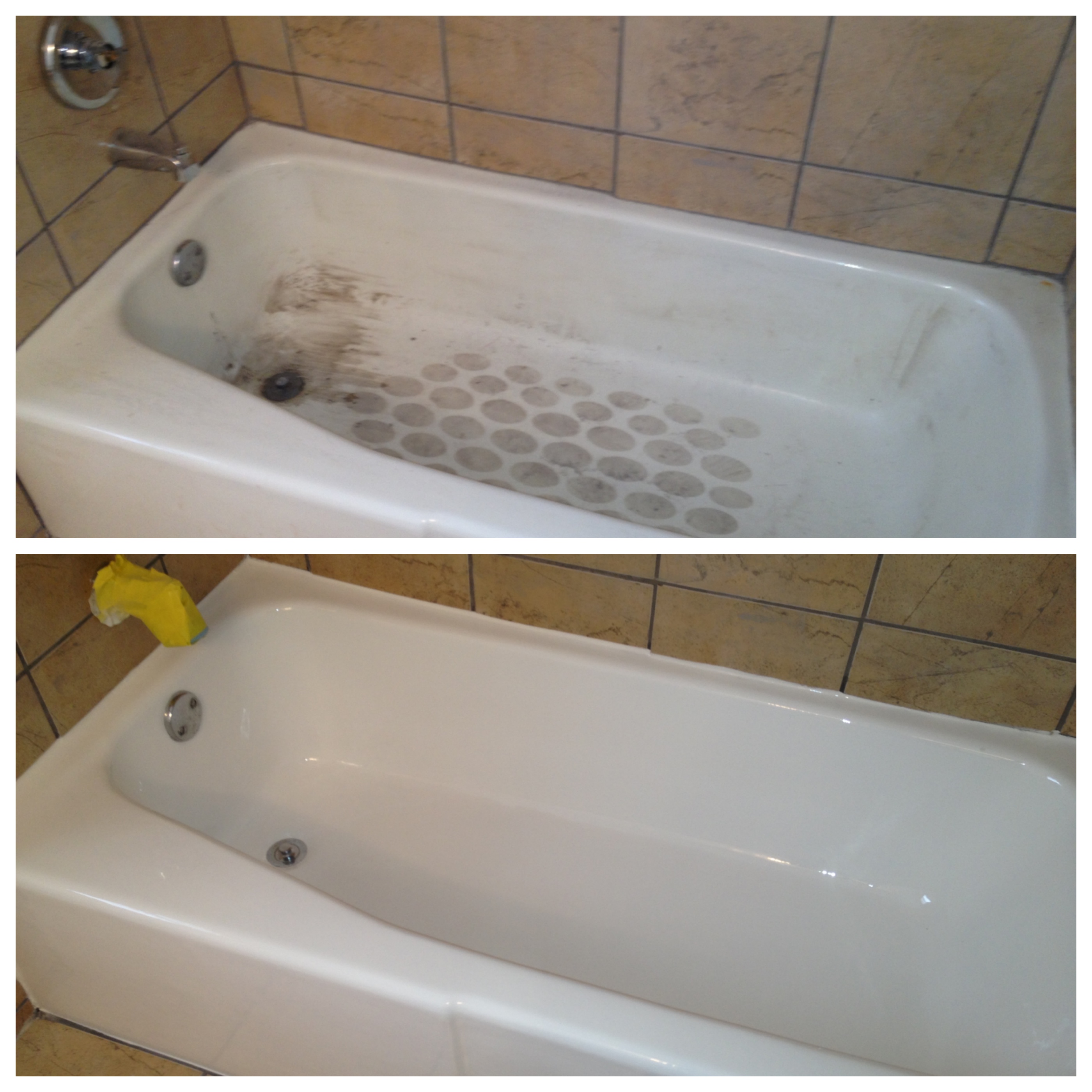
How Much Does Bathtub Refinishing Cost? A Chicago Homeowner’s Price Breakdown
The Quick Answer: Typical Price Ranges in the Chicago Metro
Most homeowners in Cook, DuPage, Kane, Will, and Lake counties will see quotes in the ranges shown below. These figures reflect 2026 pricing from established refinishing companies that use proper ventilation, professional-grade coatings, and back their work with a written warranty.
| Service | Typical Price Range | Time on Site |
|---|---|---|
| Standard bathtub refinishing (white) | $350–$650 | 3–5 hours |
| Bathtub refinishing with custom color | $450–$800 | 3–5 hours |
| Clawfoot or cast iron specialty tub | $500–$900 | 4–6 hours |
| Tub plus surrounding wall tile | $700–$1,400 | 5–8 hours |
| Chip or crack repair only (no full refinish) | $150–$350 | 1–2 hours |
| Countertop refinishing (per standard vanity) | $300–$600 | 3–4 hours |
| Full bathtub replacement (for comparison) | $2,500–$5,500+ | 2–5 days |
A quote below $300 for a full refinishing job should raise a flag. At that price point, the contractor is either skipping steps like proper etching and priming, using a low-quality coating that will yellow or peel within a year or two, or doing the work without adequate ventilation (which is both dangerous and against OSHA guidelines). A quote above $800 for a plain white standard tub is usually only justified when there is significant repair work, difficult access, or a premium color match involved.
What Drives the Price Up or Down
Refinishing is not a one-size-fits-all service. Five different tubs in five different Chicago bungalows can generate five different quotes from the same company, and the reasons are worth understanding before you try to compare bids.
Tub size and style. A standard 60-inch alcove tub takes a known amount of material and time. An oversized soaking tub, a clawfoot, or a drop-in garden tub has more surface area, which means more coating, more prep time, and a higher price. Clawfoot tubs in particular add labor because the outside, feet, and sometimes the underside all need attention.
Tub material. Cast iron, porcelain, fiberglass, and acrylic all refinish successfully with professional techniques, but the preparation steps differ. Cast iron and porcelain require more aggressive etching to create a bonding profile. Fiberglass is easier to prep but more prone to flex-related failure if not handled correctly. Acrylic needs specialty primers. None of these add huge premiums on their own, but difficult or unusual material combinations sometimes nudge the price upward.
Surface condition. A tub with minor stains and a few small chips prices at the low end of the range. A tub with deep gouges, crumbling caulk lines, rust spots around the drain, or a previous amateur refinish that is now peeling requires hours of additional prep. Stripping a failed prior refinish can add $100 to $250 on its own.
Color choice. White, almond, and bone are standard colors and do not add cost. Custom colors, which are tinted on-site to match existing tile or a homeowner preference, typically add $50 to $150 because of the additional material and setup.
Add-on tile or surround work. Refinishing just the tub is one price. Refinishing the tub plus the surrounding 4 to 5 feet of wall tile is a bigger job that can double the cost but deliver a dramatically better visual result. Since you are already paying for the mobilization, ventilation setup, and labor day, tile add-ons are usually more economical to bundle now than to schedule separately later.
Access and logistics. A walk-up third floor in a Chicago greystone takes longer to set up than a ground-floor ranch in Naperville. Tight bathrooms make ventilation harder. Companies rarely itemize these factors on a quote, but they feed into the final number.
Refinishing vs. the Alternatives: What You’re Actually Comparing
Knowing the refinishing price only matters if you understand what else is on the table. Chicago homeowners usually consider four options when a tub looks rough.
| Option | Typical Cost | Project Duration | Expected Lifespan |
|---|---|---|---|
| Professional refinishing | $350–$650 | 1 day + 24–48 hr cure | 10–15 years |
| Bathtub liner (insert) | $1,200–$2,500 | 1 day | 5–15 years (varies) |
| Full tub replacement (same footprint) | $2,500–$5,500 | 2–5 days | 20–30 years |
| Full bathroom remodel | $12,000–$35,000+ | 2–6 weeks | 20+ years |
| DIY refinishing kit | $50–$150 in materials | 1–2 days + risk | 1–3 years (commonly) |
DIY kits are tempting on paper. In practice, the home-center epoxy products are not the same chemistry as professional coatings, the surface prep is usually inadequate without specialized tools, and the ventilation requirements are hard to meet in an occupied home. The most common DIY outcome is a finish that looks reasonable for a few months, then starts peeling in strips around the drain and near the faucet, leaving you with a worse tub than you started with and the full professional refinishing price still ahead of you.
Bathtub liners are a legitimate middle option, but the price premium over refinishing is significant, and liner failures (water trapped behind the insert, loose edges, mildew buildup) are a well-documented problem on home improvement forums. Refinishing bonds directly to the tub surface, which avoids the water-infiltration risk entirely.
Where the Money Actually Goes in a Professional Quote
Homeowners sometimes see a $475 quote and wonder how a few hours of work can cost that much. The breakdown below reflects a typical professional refinishing job and shows why reputable companies cannot realistically go lower without cutting corners somewhere.
| Cost Component | Approximate Share |
|---|---|
| Skilled labor (3–5 hours on site + prep and cleanup) | 40–50% |
| Professional-grade coatings, primer, and etching materials | 15–20% |
| Ventilation equipment and PPE | 5–10% |
| Insurance, licensing, warranty reserve | 10–15% |
| Vehicle, mobilization, overhead | 10–15% |
| Company margin | 5–10% |
Professional coating materials alone run roughly $80 to $120 per tub at current supplier pricing. The ventilation setup and respirator equipment a legitimate refinisher uses cost the company several thousand dollars to maintain. Insurance and warranty coverage (Aarco Baths carries a full 10-year guarantee on residential refinishing) requires ongoing reserves against future callback work. Strip any of these out and the price drops, but so does the quality of the outcome.
When Refinishing Delivers the Best Value
Refinishing is not always the right answer, but it is the right answer more often than homeowners expect. It shines in a few specific situations.
Older homes with original cast iron or porcelain tubs. Chicago’s housing stock includes a lot of pre-1960 bungalows, two-flats, and greystones with original cast iron tubs that are structurally perfect but visually tired. These tubs were built to last a century. Refinishing restores the surface for a small fraction of what a matching replacement would cost, and the original tub is often heavier, deeper, and better made than anything you can buy new.
Kitchen and bath updates on a budget. If you are preparing a home for sale or refreshing a space without a full remodel, a newly refinished tub visually anchors the bathroom. Pair it with new fixtures, fresh caulk, and clean grout, and the space reads as updated without the cost or disruption of demolition.
Rental and multi-unit properties. Between turnovers, refinishing lets a landlord or property manager present a clean, move-in-ready unit in one day rather than a week. The numbers consistently favor refinishing over replacement on investment property, especially when the IRS repair-versus-improvement classification is factored in.
Bathrooms with tile or layouts that would be expensive to modify. Tearing out a tub often means disturbing tile that is no longer manufactured, patching a subfloor, and rerouting plumbing. Refinishing avoids all of that. Tub and tile refinishing handles both surfaces at once when the tile itself needs refreshing.
Aarco Baths has been handling these exact scenarios for Chicago homeowners since 1963, with studios in Chicago, Addison, and Naperville covering the city and western suburbs. The service area spans from the lakefront neighborhoods out to Kane and DuPage county communities like Naperville, Wheaton, and Elmhurst.
When Refinishing Is the Wrong Call
Paying for refinishing on a tub that cannot be salvaged is wasted money. Here are the situations where replacement, not refinishing, is the honest answer.
Structural cracks that flex under pressure. If you press on the floor or side of a fiberglass tub and feel it give, the substructure is failing. A refinished coating cannot hold a cracking base together, and the repair will reopen within months.
Rust-through on cast iron tubs. Pinhole rust or large corroded sections mean the metal is no longer a solid surface for coating adhesion. Replacement is the only durable fix.
You are reconfiguring the bathroom anyway. If the tub is moving, the drain is relocating, or the bathroom is being converted to a walk-in shower, refinishing is irrelevant. Wait and spend the money on the remodel.
A previous refinish has failed badly. One prior amateur coating can usually be stripped and redone. Multiple layers of failed DIY kits stacked over years become expensive to strip, and at that point a new tub may actually be the cleaner path forward.
Significant mold behind the tub surround. If water has been getting behind the tile and the drywall or studs are compromised, the underlying damage needs to be addressed first. Refinishing the surface would hide a problem that gets worse.
A reputable company will walk away from jobs in these categories rather than take the deposit and hope for the best. When you are getting estimates, watch how the estimator responds to obvious problems. Honesty about limitations is a strong signal of a contractor worth hiring.
Questions to Ask Before You Book a Refinishing Job
Price is only one dimension of a refinishing quote. These questions separate professional operators from the cheapest-bid, fly-by-night variety.
What coating system are you using? A professional refinisher should name the product line and explain its chemistry. If the answer is vague or defensive, that is a red flag.
How are you handling ventilation? Proper refinishing uses a fan-and-duct system or a negative-air scrubber to pull fumes outside the home. If the answer is “we open a window,” that is not adequate and is also a workplace safety issue.
What is the warranty, and is it written? A verbal one-year guarantee is essentially worthless. A written multi-year warranty from an established company, like the 10-year residential guarantee Aarco Baths offers, is the meaningful version.
How long have you been in business, and do you carry liability insurance? Refinishing uses industrial coatings that can damage flooring and walls if mishandled. You want a company with a track record and insurance that will actually respond to a claim.
Can I see recent before-and-after photos or reviews from my neighborhood? Local work matters. A company with decades of projects across Chicago-area homes is a safer bet than one that cannot point to any local history.
What does the cure schedule look like? The standard professional answer is 24 to 48 hours before the tub can hold water. Anyone promising you can use the tub the same day is using a product you should not trust.
Ways to Keep the Price Down Without Cutting Quality
If the quote is higher than your budget, there are legitimate ways to bring it down. These are worth discussing with any reputable company.
Skip the custom color. Standard white is the cheapest and, for most bathrooms, works visually. Save the color premium for a space where it genuinely matters.
Bundle multiple fixtures. Refinishing a tub and a tiled wall surround at the same visit costs less per surface than scheduling them separately. If you also have a stained countertop or a second bathroom, ask whether the company offers a multi-fixture discount.
Schedule during off-peak months. Refinishing demand rises sharply in spring when homeowners prepare for sale or do springtime updates. Winter months (January through early March in Chicago) sometimes come with better availability and, occasionally, seasonal pricing.
Handle minor cleanup yourself. Clearing out the bathroom, removing shower curtains and bath mats, and cleaning the tub of soap scum before the technician arrives saves a small amount of prep time.
Do not try to handle prep chemistry yourself. This is the one area where DIY effort actively hurts. Attempting to strip or sand a tub before a professional arrives can damage the substrate in ways that add to the repair cost.
Avoid “sales” that drop the price by $200 or more below the normal range. Steep discounts in this industry almost always trace back to skipping a step (no etching, no primer, single thin coat instead of multiple) or to a company using a lower-grade coating. The savings vanish when the finish fails in eighteen months.
Frequently Asked Questions
How much does bathtub refinishing cost on average in Chicago?
A standard white bathtub refinishing job in the Chicago metro area typically costs between $350 and $650. Custom colors, specialty tubs like clawfoots, tile add-ons, and major repair work can push the total higher. Quotes below $300 usually indicate corners being cut on prep, materials, or ventilation.
Is bathtub refinishing cheaper than replacement?
Significantly. A full bathtub replacement in the Chicago area runs $2,500 to $5,500 or more once the new tub, plumbing work, tile patching, disposal, and labor are factored in. Refinishing costs roughly one-fifth to one-seventh as much and can be completed in a single day. The trade-off is lifespan: a replacement tub may last 20 to 30 years, while a professionally refinished tub lasts 10 to 15 years with proper care.
Why do refinishing quotes vary so much between companies?
The biggest drivers are the quality of the coating system, the thoroughness of surface prep, whether the company uses professional ventilation equipment, and whether they carry insurance and a written warranty. Low quotes often skip one or more of these, which is why the finish fails quickly. Higher quotes from established companies reflect the full cost of doing the job correctly, including a warranty reserve against callbacks.
Does refinishing include fixing chips and cracks?
Yes, minor chips, small cracks, and surface gouges are filled as part of the standard prep work. Deep structural cracks that flex under pressure cannot be fixed by refinishing because the substrate itself is failing. A reputable estimator will flag those during the initial walkthrough.
How long will a refinished bathtub last?
A professional refinishing job with proper care lasts 10 to 15 years. Aarco Baths backs residential work with a full 10-year guarantee. Lifespan depends heavily on maintenance: non-abrasive cleaners only, no suction-cup mats, and a quick wipe-down after use all extend the finish.
Can I get a same-day estimate?
Most established Chicago-area refinishers, including Aarco Baths, offer free written estimates. Some can quote over the phone or email based on photos and tub measurements; others prefer to see the tub in person. Requesting an estimate directly is the fastest way to get a firm number for your specific tub.
Are there additional fees I should expect on top of the quoted price?
A professional quote should be inclusive. Watch for surprise add-ons for “prep,” “materials,” or “disposal” that were not mentioned upfront. The only legitimate post-quote additions are changes you request (upgrading to a custom color, adding tile work) or hidden damage discovered during prep, like rust under the old caulk. Reputable companies will stop and discuss any such change before proceeding.