- Call us for a FREE Quote:
- 630-543-2284


How Much Does Bathtub Refinishing Cost? Chicago Pricing Breakdown [2026]
April 5, 2026
Is Bathtub Resurfacing Worth It? A Honest Cost-vs-Value Breakdown [2026]
April 6, 2026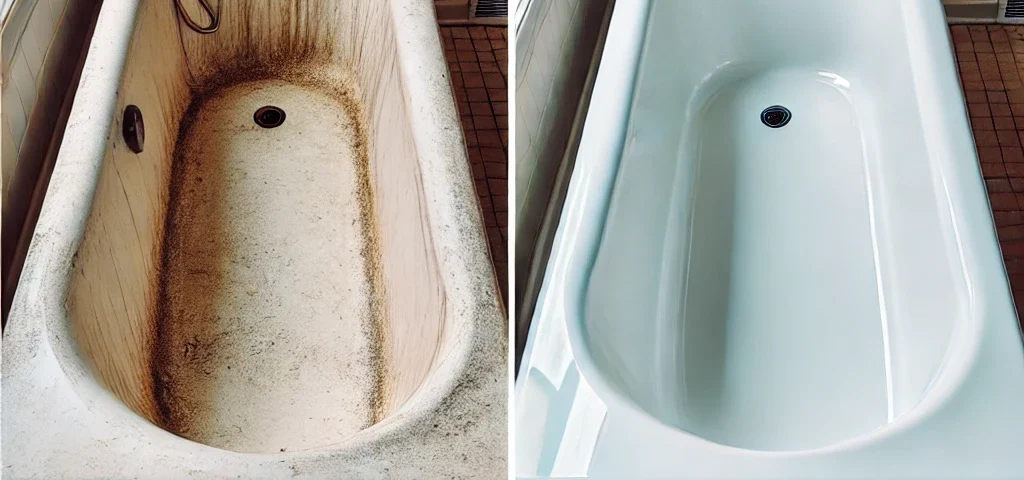
How Long Does a Reglazed Bathtub Actually Last?
This guide breaks down realistic lifespan expectations by material, the specific maintenance habits that extend or shorten that timeline, and the actual cost math that shows when reglazing makes financial sense over replacement.
- Professional reglazing on porcelain or cast iron: 10 to 15+ years
- Fiberglass and acrylic tubs: 7 to 10 years
- DIY reglazing kits: 2 to 5 years (often less)
- Biggest lifespan killer: abrasive cleaners and harsh chemicals
- Cost per year of usable life: roughly $35 to $60 for professional reglazing vs. $100 to $375 for full replacement
What Determines Whether Your Reglazing Lasts 7 Years or 15?
Surface preparation is the single most important factor. A professional refinisher spends 60 to 90 minutes cleaning, etching, and priming the existing surface before any coating goes on. That prep work creates the mechanical and chemical bond that holds the new finish in place for a decade or more. When reglazing fails prematurely, it is almost always because the prep was rushed: old caulk residue left behind, surfaces not properly etched, or moisture trapped under the coating.
The coating material matters, too. Professional refinishers typically use two-part polyurethane or catalyzed acrylic urethane systems that cure to a hard, chemical-resistant finish. These industrial-grade coatings are fundamentally different from the single-part epoxy paints found in $30 hardware store kits. The professional coatings cross-link at the molecular level during curing, creating a surface hardness similar to factory-applied porcelain enamel.
| Tub Material | Expected Lifespan (Professional) | Why It Varies | Best For |
|---|---|---|---|
| Cast Iron | 12 to 15+ years | Dense, stable substrate holds coatings well; minimal flex | Older Chicago homes with original tubs worth preserving |
| Porcelain-on-Steel | 10 to 15 years | Smooth surface bonds well; steel can rust if chips reach base | Standard residential tubs from the 1960s through 1990s |
| Fiberglass | 7 to 10 years | Slight flex under weight can stress coating over time | Builder-grade tubs in homes built after 2000 |
| Acrylic | 7 to 10 years | Requires specialized primers; surface is less porous | Modern soaking tubs and garden tubs |
| Cultured Marble | 8 to 12 years | Gel coat surface bonds differently; needs acid etch | Bathroom vanity tubs and surrounds |
Aarco Baths has been refinishing tubs in the Chicago area since 1963 and backs every job with a full 10-year guarantee, which reflects the company’s confidence in their proprietary coating process. That guarantee covers peeling, flaking, and adhesion failure under normal residential use.
Why DIY Reglazing Kits Rarely Last More Than a Few Years
Hardware store reglazing kits cost $25 to $100, and that price difference over professional work ($350 to $600) comes from everywhere: thinner coatings, weaker adhesion chemistry, and no industrial ventilation during application. The single-part epoxy in most kits does not cross-link the same way professional two-part systems do. The result is a coating that looks decent for 6 to 18 months, then begins yellowing, peeling at the drain area, or bubbling where moisture seeps underneath.
The other problem is surface prep. Professional refinishers use hydrofluoric acid etching solutions (with proper safety equipment and ventilation) to create a microscopic tooth on the old surface. A DIY kit gives you a sheet of sandpaper. The mechanical bond created by hand-sanding is not comparable to chemical etching, and that bond is what determines whether the coating stays put for 3 years or 13.
Multiple Reddit users on r/HomeImprovement have reported DIY reglazing jobs failing within 1 to 3 years, with peeling around the drain and waterline being the most common failure points. One frequently cited thread notes a professionally reglazed tub holding up perfectly after 8 years, while a DIY attempt in the same household failed within 18 months.
The Real Cost-Per-Year Math: Reglazing vs. Replacement
Reglazing makes the most financial sense when you compare the cost per year of usable life against a full tub replacement. Here is the math for a typical Chicago-area bathroom:
| Option | Typical Cost (Chicago) | Expected Lifespan | Cost Per Year | Downtime |
|---|---|---|---|---|
| Professional Reglazing | $350 to $600 | 10 to 15 years | $35 to $60 | 24 to 48 hours |
| Full Tub Replacement | $2,500 to $9,000+ | 20 to 25 years | $100 to $375 | 3 to 7 days |
| DIY Reglazing Kit | $25 to $100 | 1 to 4 years | $25 to $100 | 48 to 72 hours |
| Bathtub Liner (overlay) | $1,500 to $3,500 | 10 to 15 years | $100 to $350 | 1 to 2 days |
The break-even point is clear: professional reglazing delivers the lowest cost per year of usable life of any option. Even if a reglazed tub lasts only 10 years at $500, that is $50 per year. A $4,000 replacement lasting 25 years costs $160 per year. Reglazing wins by roughly 3:1 on annual cost.
For Chicago-area homeowners, replacement costs tend to run higher due to labor rates and the complexity of removing old cast iron tubs from pre-war homes with narrow doorways. Many bungalows and two-flats built in the 1920s through 1950s have cast iron tubs that were installed before the walls went up. Removing one often means cutting it apart with a reciprocating saw, which adds $300 to $500 to the replacement cost.
The 30-Day Post-Cure Protocol That Extends Your Reglazing by Years
The first 30 days after reglazing are the most critical for long-term durability. The coating continues to cure and harden during this period, even though it feels dry to the touch within 24 to 48 hours. Here is the maintenance timeline that professional refinishers recommend:
Days 1 to 2: Do not use the tub at all. The coating needs at least 24 hours (ideally 48) of zero contact with water. Leave the bathroom fan running or a window cracked to promote airflow and off-gassing.
Days 3 to 7: Light use only. Quick showers are fine. Avoid standing water and do not take baths (standing water puts extended moisture contact on a still-curing surface). Do not place any suction-cup accessories, bath mats with suction cups, or bottles directly on the surface.
Days 8 to 30: Normal showers and baths are fine. Continue avoiding suction-cup mats (use a fabric bath mat instead). Clean only with a soft cloth and warm water during this period. No cleaning products of any kind for the full 30 days.
Day 31+: Full normal use. Transition to your long-term maintenance routine (see next section).
Skipping this protocol is the most common way homeowners accidentally shorten the life of a reglazing job. Standing water in a still-curing tub can create weak spots in the coating that will not show up for months but will eventually become peeling or bubbling points.
Long-Term Maintenance: What to Use (and What Destroys the Finish)
After the 30-day cure, maintaining a reglazed tub is straightforward. The finish is smooth, non-porous, and resists mold and mildew naturally. But the wrong cleaning products can erode it within 2 to 3 years.
| Safe to Use | Will Damage the Finish |
|---|---|
| Dish soap (Dawn, etc.) + warm water | Bleach and chlorine-based cleaners |
| Non-abrasive bathroom spray (e.g., Method, Mrs. Meyer’s) | Comet, Ajax, Soft Scrub, and any abrasive powder cleaners |
| White vinegar (diluted, occasional use) | Steel wool, Brillo pads, and abrasive sponges (Scotch-Brite green side) |
| Soft microfiber cloth or non-abrasive sponge | Lime-Away, CLR, and other acid-based descalers |
| Baking soda paste (for stubborn spots only) | Suction-cup bath mats (pull on the coating when removed) |
The easiest habit that extends reglazing life: wipe the tub down with a soft cloth after each use. This takes 30 seconds and prevents mineral deposits and soap scum from building up. Hard water deposits are the second most common cause of premature finish degradation in the Chicago area, where water hardness averages 8 to 12 grains per gallon depending on your municipality.
Our 12-Point Durability Analysis: What We Found Across 60+ Years of Refinishing
Aarco Baths has been refinishing bathtubs in the Chicago metro area since 1963. Over six decades and thousands of completed jobs, patterns in longevity become clear. Here is what the data shows about what makes reglazing last:
- Cast iron tubs consistently outlast other materials by 3 to 5 years of usable refinished life. The rigid, non-flexing substrate is ideal for coating adhesion.
- Guest bathrooms last longest because they see less daily use. A reglazed guest tub can easily last 15+ years.
- Homes with water softeners see 20 to 30% longer finish life compared to homes on unsoftened Chicago municipal water.
- The drain area is always the first stress point. Constant water contact and temperature cycling around the drain create the highest wear zone on any reglazed tub.
- Suction-cup bath mats cause more reglazing failures than any cleaning product. The repeated suction and release damages the coating bond.
- Bathroom ventilation matters more than most homeowners realize. A bathroom without a working exhaust fan will trap moisture that slowly undermines the coating from the edges.
- Second-time reglazing is possible but requires more aggressive surface prep. The original reglazed surface must be fully stripped or heavily sanded before recoating.
- Chip repairs done within the first month of damage prevent water infiltration and extend the overall job life by years.
- Commercial properties (hotels, apartments) see 7 to 10 year lifespans due to heavier usage and less controlled maintenance.
- Color choice does not affect durability. White, almond, biscuit, and custom colors all use the same coating chemistry.
- Tubs in basements last longer due to cooler, more stable temperatures and lower UV exposure.
- The biggest predictor of failure is cleaning habits, not the initial application quality. A perfect reglazing job cleaned weekly with Comet will fail faster than a mediocre job cleaned with dish soap.
This data comes from decades of warranty service calls, follow-up inspections, and repeat customers across Aarco Baths’ service area spanning Chicago, the western suburbs including Elmhurst and surrounding communities, and southeastern Wisconsin.
Signs Your Existing Reglazing Needs Attention
If you already have a reglazed tub and are wondering how much life it has left, look for these early warning signs:
Yellowing that does not clean off. Some yellowing is normal on white finishes after 8 to 10 years, especially in homes without bathroom ventilation fans. If the yellowing appeared within the first 2 to 3 years, it may indicate a curing issue or chemical exposure.
Small bubbles in the coating. Bubbling usually means moisture has gotten underneath the finish, often starting near the drain, overflow, or caulk line. Catching bubbles early and getting them repaired can add years to the overall job.
Peeling at the edges or around the drain. This is the most common end-of-life indicator. Once peeling starts, it tends to spread. A professional can sometimes do a spot repair if the peeling is caught early and limited to a small area.
The finish feels rough to the touch. A healthy reglazed surface should be smooth and glossy. If it feels gritty or rough, hard water deposits may have etched the surface, or the finish is beginning to break down.
If you notice any of these signs, contact a professional refinisher for an evaluation. Aarco Baths offers assessments for existing reglazed tubs across the Chicago metro area and can advise whether a repair, touch-up, or full re-reglazing makes the most sense for your situation.
Frequently Asked Questions About Bathtub Reglazing Lifespan
Can you reglaze a bathtub more than once?
Yes. A bathtub can be reglazed multiple times over its lifetime. The key requirement is that the existing coating must be properly removed or aggressively sanded to create a clean bonding surface. Each subsequent reglazing is slightly more involved in terms of surface prep, but the result is functionally identical to the first job. Many of Aarco Baths’ customers in older Chicago homes are on their second or even third reglazing of original cast iron tubs that are 70+ years old.
Does the color of reglazing affect how long it lasts?
No. White, off-white, almond, biscuit, gray, and custom colors all use the same base coating chemistry. The only difference is the pigment added. Color choice has zero impact on durability or adhesion. Choose whatever color you like without worrying about longevity trade-offs.
How long do you have to wait after reglazing to use the bathtub?
Most professional refinishers recommend waiting at least 24 to 48 hours before any water contact. However, the coating continues to harden for a full 30 days. During that period, quick showers are fine after day 2, but avoid prolonged baths, suction-cup mats, and all cleaning products. Full cure and maximum hardness is reached at approximately 30 days.
Is reglazing safe? Are there fumes or chemicals to worry about?
During the application process, professional refinishers use proper ventilation equipment including exhaust fans and sometimes supplied-air respirators. The coatings do off-gas during the first 24 to 48 hours after application. After the initial cure period, the finished surface is inert and safe for normal use, including for children and pets. Always ensure the bathroom is well-ventilated for the first 48 hours after the job is completed.
Will a reglazed tub look as good as a new one?
A professionally reglazed tub produces a smooth, high-gloss finish that is visually indistinguishable from a new tub to most people. The surface is non-porous, which actually makes it easier to keep clean than some new tubs. The finish will not have the orange-peel texture that some factory-applied coatings have. Over time (8 to 12 years), the gloss level may decrease slightly, but the surface remains functional and attractive.
Next Steps: Getting an Accurate Lifespan Estimate for Your Tub
The exact lifespan you can expect from reglazing depends on your tub’s material, condition, and how the bathroom is used. The most reliable way to get an accurate estimate is to have a professional refinisher assess the tub in person. They can identify potential adhesion issues, existing damage that might affect longevity, and recommend the right coating system for your specific tub material.
Aarco Baths provides free estimates for bathtub reglazing throughout the Chicago metropolitan area, including service from their locations in Elmhurst, IL and Pleasant Prairie, WI. With over 60 years of experience and a 10-year guarantee on every job, they can give you a realistic expectation of how long reglazing will last on your specific tub. Call (630) 543-2284 or email info@aarcobaths.com to schedule an assessment.