- Call us for a FREE Quote:
- 630-543-2284


Bathtub Refinishing in Arlington Heights: A Practical Guide for Homeowners
April 9, 2026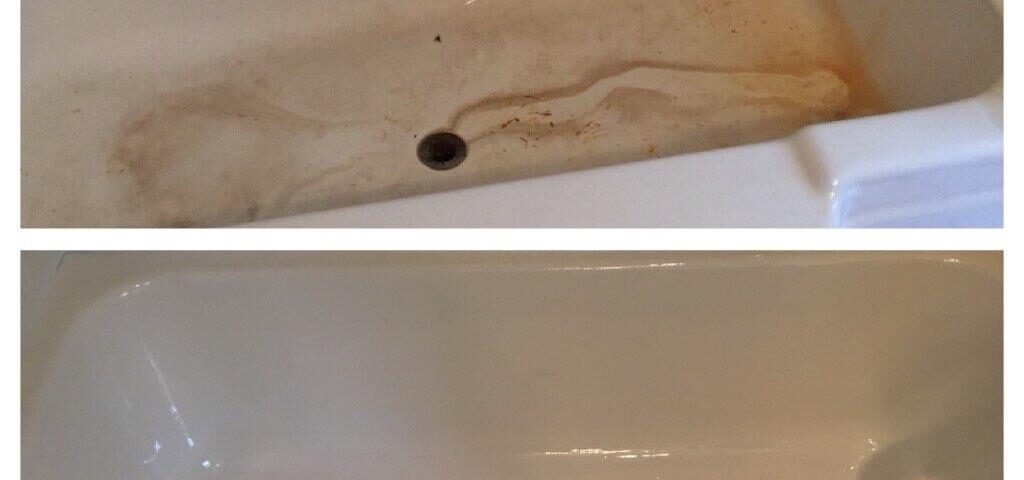
How Long Does Bathtub Reglazing Last? An Honest Answer From 60+ Years in the Trade
If you’re considering bathtub reglazing, the single most important question you need answered isn’t the price — it’s how long the finish will actually last. A cheap job that peels in two years isn’t a bargain. A well-done refinish that looks new for a decade and a half is one of the best dollar-for-dollar home improvements you can make.
So here’s the straight answer, without the sales-page fluff: a professionally refinished bathtub using commercial-grade coatings and proper surface preparation should last 10 to 15 years, and often longer with careful maintenance. A DIY epoxy kit from the hardware store typically lasts 1 to 3 years, sometimes less. Everything in between those two extremes comes down to three things: prep, product, and how you treat the tub afterward.
Below is what a homeowner should actually know before hiring anyone — based on what the professionals at Aarco Baths have seen across more than six decades of refinishing tubs in Chicago-area homes.
The Short Answer, With Real Ranges
Because people search this question wanting a clear number, here’s how the lifespan typically breaks down by who did the work and what was used:
Professional refinishing with high-quality coatings: 10 to 15 years is the realistic expectation, and it’s not unusual to see finishes still looking great at the 18- or 20-year mark in homes where the tub is cared for properly. This is the range you should expect when hiring an experienced company that uses commercial-grade products, not the cheapest bid in town.
Professional refinishing with low-end coatings or rushed prep: 3 to 7 years. This is where the “refinishing has a bad reputation” myth comes from. Some operators cut corners on surface preparation — the single most important step in the entire process — or use thinner, consumer-grade coatings to keep their prices artificially low. The job looks great on day one and then starts peeling around year three.
DIY epoxy kits from a home improvement store: 1 to 3 years on average, and sometimes just a few months. These kits are designed to be approachable for homeowners, which means the prep instructions are simplified and the coatings aren’t nearly as durable as what a professional refinisher uses. They can be a reasonable stopgap, but they aren’t a long-term solution.
The gap between a great professional refinish and a DIY job is enormous — not because the product costs five times more, but because everything that happens before the coating goes on is what makes the finish last.
What Actually Determines How Long a Reglaze Lasts
If you want to predict how long your refinish is going to hold up, these four factors tell you almost everything you need to know.
1. Surface Preparation
This is the single biggest variable, and it’s the one homeowners almost never see. A proper refinish involves stripping old caulk, cleaning every trace of soap scum and body oil off the tub, repairing any chips or cracks, and then chemically etching the surface so the new coating can form a mechanical bond with the old one. Skip or rush any step in that sequence and the coating has nothing to grip — which is why rushed jobs start lifting at the drain or around the caulk line within a couple of years.
When you’re vetting refinishing companies, ask them to walk you through their prep process in detail. If the answer is vague or the total job time sounds suspiciously short, that’s a warning sign.
2. The Coating Itself
Not all refinishing products are created equal. The best coatings are multi-part polyurethane or modified acrylic systems engineered specifically for wet environments. They create a smooth, non-porous, high-gloss surface that acts as a moisture barrier — meaning water can’t penetrate down to the old substrate and cause the kind of bubbling, blistering, and peeling that’s associated with bad refinishing jobs.
Cheaper coatings may look similar when they’re fresh, but they don’t wear the same. They scratch more easily, they yellow faster in sunlight, and they lose their gloss in the high-traffic areas of the tub after just a couple of years.
3. How the Tub Is Used
A tub in a guest bathroom that sees light use will outlast the exact same refinish in a primary bathroom that gets daily showers from a family of five. That’s just reality. If you have kids, a busy household, or you use your tub heavily, you’re on the shorter end of the lifespan range. A lightly-used tub can often push well past 15 years with the same quality of refinish.
4. Daily Care and Cleaning Habits
This is the part homeowners control, and it’s the one that makes the biggest difference after the job is done. Abrasive cleaners are the fastest way to kill a refinished surface. Scouring powders like Comet or Ajax, steel wool, melamine “magic” sponges, and any cleaner containing bleach, ammonia, or harsh acids will all strip gloss, dull the finish, and eventually chew through the coating. Suction-cup bath mats are another common culprit — they trap water and abrasives against the surface, creating a perfect circle of damage that shows up within a year.
A refinished tub is low maintenance, but it does ask for a slightly different cleaning routine than a brand-new one. Stick to mild liquid dish soap, soft cloths or sponges, and non-abrasive bathroom cleaners, and the finish will repay you with many extra years of life.
How to Make a Refinished Tub Last as Long as Possible
Once the job is done, the lifespan of your reglaze is almost entirely in your hands. The difference between a tub that lasts 8 years and one that lasts 18 is usually just habits. Here’s what the longest-lasting refinishes have in common in the homes we’ve serviced around Chicago, Addison, and Naperville.
Wait the full cure time before using the tub. Most professional coatings need 24 to 48 hours to fully cure. Using the tub early — even just letting water sit in it — can compromise the bond before it’s fully hardened, which leads to premature failure.
Never use abrasive cleaners. This is the number one killer of refinished surfaces. If a cleaner says “scouring” anywhere on the label, keep it away from the tub. The same goes for anything with the word “tough” or “heavy duty” on a green-and-yellow label.
Skip the suction-cup mat. Use a mat with regular rubber backing instead, and take it out of the tub between uses so the surface can dry. Standing water under a suction-cup mat is one of the most common causes of early coating failure.
Rinse and dry the tub after use when you can. Not every time, but soap scum and hard water deposits are abrasive once they build up. A quick rinse and a wipe-down a couple of times a week keeps them from establishing.
Fix drips immediately. A leaky faucet that drips onto the same spot of a refinished tub for months can eventually wear a dull mark into the finish. Fix the drip, save the tub.
Don’t use the tub as a workbench. Standing pots of paint, tool bags, or heavy buckets in a refinished tub is asking for chips and scratches that will compromise the finish.
How to Tell When a Reglaze Is Starting to Fail
Refinished tubs don’t usually fail all at once. They give you warning signs before the finish goes completely, and catching those signs early lets you touch up or redo the tub before the underlying substrate is damaged.
The earliest symptom is usually a dullness or loss of gloss in the high-traffic areas — typically where people stand or sit. This is cosmetic and doesn’t mean the tub is failing structurally. It just means the surface has been worn by cleaning and use.
The next stage is small chips or nicks, usually around the drain, the faucet, or anywhere heavy items have been dropped. These can be spot-repaired if caught early.
Bubbling, blistering, or peeling is the serious warning sign. This means moisture has gotten under the coating — either because the prep work wasn’t done well in the first place, because the caulk line failed and water got behind the finish, or because the tub has reached the end of its useful life. Once peeling starts, a full re-refinish is usually the right fix.
Yellowing is another sign of aging, particularly in tubs near sunny windows. Some of it is unavoidable with certain coating chemistries, but dramatic yellowing within a few years often points to a lower-quality product.
DIY vs. Professional Longevity: Why the Gap Is So Large
People often wonder why a DIY kit that costs $50 and promises the same result as a professional job doesn’t actually hold up the same way. The answer is that most of the cost of a professional refinish isn’t in the product — it’s in the labor, the equipment, and the chemistry that makes the surface accept the coating.
A professional uses industrial ventilation, supplied-air respirators, high-volume low-pressure (HVLP) spray equipment, and chemical etchants that aren’t sold to consumers. The surface prep alone typically takes one to two hours before the first coat goes on. A DIY kit replaces all of that with a bottle of cleaner, a scrubbing pad, and a roller. The results reflect the process.
That’s not a knock on DIY — there are plenty of home projects that are perfectly suited for a weekend warrior. Bathtub refinishing just isn’t one of them if you want a decade of life out of the finish.
What About Warranties?
A company’s warranty is usually a decent proxy for how long they expect their work to last. Fly-by-night refinishers often offer no warranty or a 30-day warranty on workmanship. A good refinisher typically warranties their work for at least 5 years, and the best companies offer 10 years or more.
Aarco Baths backs their work with a full 10-year guarantee — which is a reflection of more than 60 years of refining their process since the company was founded in 1963. When a company has been in business that long in the same trade, they’ve had plenty of time to figure out which products hold up and which ones don’t.
When comparing warranties, read the fine print. Pay attention to what voids the warranty (abrasive cleaners usually do), whether it’s transferable to a new homeowner, and whether it covers both the coating and the adhesion to the substrate.
What Happens When a Reglaze Finally Wears Out?
Here’s the good news: when a refinished tub eventually reaches the end of its life, you don’t have to replace the tub. You can simply refinish it again. The old coating is stripped or etched, the surface is re-prepped, and a new finish is applied. As long as the tub itself is still structurally sound — which cast iron and solid porcelain tubs almost always are, even after 80 or 100 years — a refinish can be repeated indefinitely.
This is why refinishing is such a practical option for older Chicago homes and the bungalows, two-flats, and mid-century ranches scattered throughout the city and suburbs. A tub that was installed in 1955 can still be serving a family in 2055, assuming someone’s willing to put a fresh coat on it every decade and a half.
A Note on Chicago-Area Water and Refinish Lifespan
Local water chemistry matters more than most people realize. Chicago and the surrounding suburbs mostly pull water from Lake Michigan, which is moderately hard and carries enough mineral content to leave deposits if water is allowed to sit on a surface repeatedly. Homes on well water in the outlying collar counties often deal with even harder water and higher iron content, which can stain a refinished surface more quickly if it isn’t rinsed off.
None of this shortens the lifespan of a properly refinished tub dramatically, but it does mean Chicago-area homeowners should be a little more diligent about rinsing the tub after use and wiping down any lingering water. Aarco Baths operates studios in Chicago, Addison, and Naperville — meaning they’ve refinished tubs in homes on every water system from the city’s main supply to suburban wells, and the advice they give homeowners is consistent: the finish will last as long as the habits around it allow.
When Refinishing Is the Wrong Choice
For the sake of fairness, refinishing isn’t the right answer for every tub. If the tub is cracked through the substrate, badly rusted with holes, or has structural damage — not just cosmetic wear — refinishing won’t fix it. In those cases, replacement is the correct call, and no refinisher worth their reputation will tell you otherwise. A good refinisher will evaluate the tub honestly and walk away from jobs that aren’t candidates for a quality result.
If your tub holds water, has solid walls and floor, and the issues are cosmetic — stains, dullness, chips, worn glaze, discoloration — it’s a good candidate, and you can reasonably expect a decade or more out of a quality refinish.
Frequently Asked Questions
How long does professional bathtub reglazing last?
A professional reglaze using high-quality commercial coatings typically lasts 10 to 15 years, and often longer with proper maintenance. The range depends heavily on the quality of the surface prep, the specific coating used, how heavily the tub is used, and how it’s cleaned.
How long does a DIY reglazing kit last?
Most DIY epoxy or refinishing kits last 1 to 3 years. Some fail sooner, especially in heavily-used tubs or when the surface prep wasn’t thorough. DIY kits can be a short-term cosmetic fix but aren’t a long-term solution.
Can you reglaze a bathtub more than once?
Yes. A bathtub can be refinished multiple times over its lifetime. When an old finish wears out, a professional refinisher can strip or etch it, re-prep the surface, and apply a new coating. Cast iron and porcelain tubs can go through this cycle several times without any problem.
What shortens the life of a reglazed tub?
The biggest culprits are abrasive cleaners, suction-cup bath mats, harsh chemicals like bleach and ammonia, standing water from leaky faucets, and using the tub before the coating has fully cured. Poor surface prep at the time of refinishing also significantly shortens lifespan.
Does the quality of surface prep really matter that much?
Yes — it’s the single biggest factor in how long a reglaze lasts. A coating is only as durable as the surface it’s bonded to. Even a premium product will fail within a few years if the prep was rushed or skipped. This is why cheap refinishing jobs so often end badly.
What’s the longest a refinished bathtub can last?
In homes with light to moderate tub use and owners who follow proper care guidelines, a professional refinish can last 18 to 20 years or more. The longest-lasting finishes we’ve seen were on guest bathroom tubs in homes where the owners never used abrasive cleaners and dried the tub after each use.
Does a warranty guarantee the tub will last that long?
A warranty protects you against defects in materials and workmanship — it doesn’t guarantee the tub will last the full warranty period regardless of how it’s used. Most warranties are voided by abrasive cleaner damage, physical damage, or improper care. Still, a 10-year warranty is a strong signal that the company expects their work to hold up for at least that long under normal conditions.
How do I know when it’s time to refinish again?
Look for dullness in the high-use areas, small chips or nicks around the drain and faucet, and any signs of peeling or bubbling. Dullness alone is cosmetic and can sometimes be polished; chips can often be spot-repaired; peeling or bubbling generally means the tub is due for a full re-refinish.
The Bottom Line
A quality professional bathtub reglaze should give you 10 to 15 years of like-new performance, and many last longer than that with basic care. The keys are hiring a refinisher who takes prep work seriously, using a company with a long track record and a meaningful warranty, and avoiding the handful of cleaning and usage habits that kill refinished surfaces early.
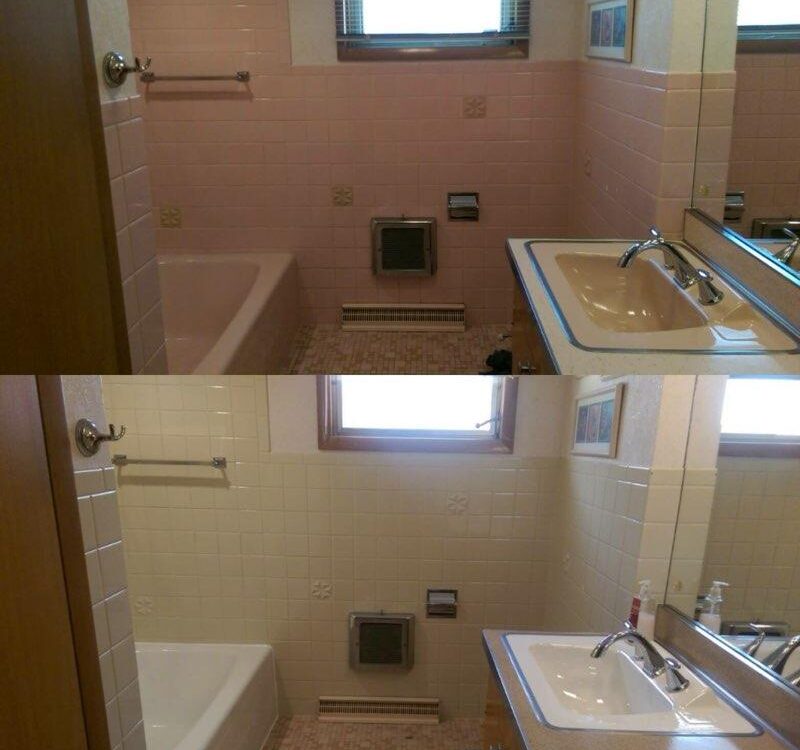
If you’re considering refinishing a tub in the Chicago area and want to talk through whether it’s the right call for your specific situation, Aarco Baths has been doing this work since 1963 and services homes throughout the city and suburbs from studios in Chicago, Addison, and Naperville. You can see examples of their work in the project portfolio or reach out for a free quote to get a realistic assessment of what refinishing would look like for your tub.