- Call us for a FREE Quote:
- 630-543-2284


Bathtub Refinishing in Evanston, IL: What North Shore Homeowners Should Know
April 7, 2026
How Long Does Bathtub Reglazing Last? An Honest Answer From 60+ Years in the Trade
April 9, 2026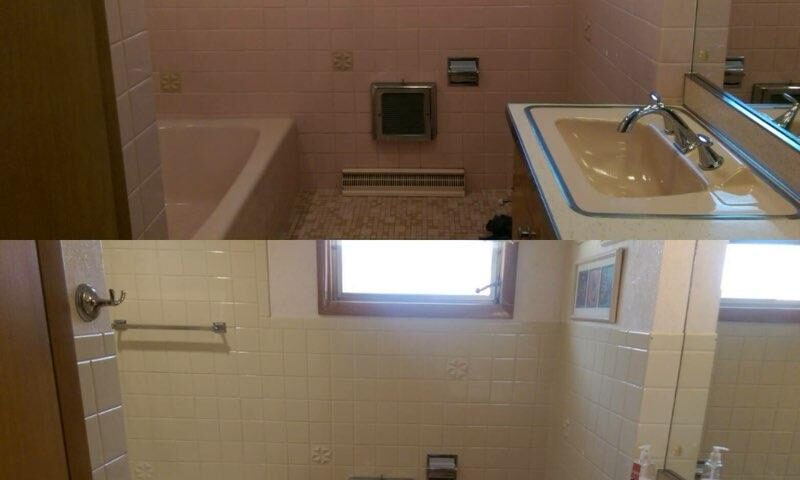
Bathtub Refinishing in Arlington Heights: A Practical Guide for Homeowners
If you own a home in Arlington Heights, there’s a good chance your bathroom has a bathtub that’s seen better days. With the village’s median home construction year sitting right around 1973, many local bathrooms still have their original tubs — and after 40 or 50 years of daily use, those tubs show it. Chips, stains, worn-down surfaces, and that stubborn yellowing that no amount of scrubbing will fix are all common complaints from homeowners in neighborhoods across Arlington Heights.
The good news? You probably don’t need to rip out your tub and start from scratch. Bathtub refinishing — also called reglazing or resurfacing — can restore your existing tub to a like-new condition at a fraction of the cost of a full replacement. Here’s what Arlington Heights homeowners should know before making a decision.
Why Arlington Heights Homes Are Prime Candidates for Refinishing
Arlington Heights experienced its biggest population boom in the 1950s and 1960s, when the village grew from a quiet farming community into one of the northwest suburbs’ most desirable addresses. That building wave produced thousands of ranch-style homes and split-levels, many with cast iron or porcelain-over-steel bathtubs that were built to last structurally but weren’t designed to look pristine forever.
Walk through neighborhoods like Scarsdale Estates, Laudymont Terrace, or the areas near downtown along Campbell and Sigwalt Streets, and you’ll find homes with solid bones but bathrooms that feel frozen in the 1970s. The tile might be pink or avocado green. The tub may have surface rust, hard water staining, or a rough texture that’s impossible to keep clean. These are cosmetic problems — and cosmetic problems are exactly what refinishing is designed to solve.
Even in the historic district north of the central business district, where you’ll find some of the village’s oldest properties dating back to the 1880s, the tubs are often still structurally sound. A clawfoot tub in a Victorian-era Arlington Heights home is worth preserving, and refinishing lets you do that without sacrificing the character of the original fixture.
What Bathtub Refinishing Actually Involves
There’s a lot of confusion about what refinishing means versus replacing, re-lining, or doing a DIY fix with an epoxy kit from the hardware store. Here’s the straightforward version of what a professional refinishing job looks like:
A technician comes to your home and works on the tub in place — no demolition, no plumbing changes, no hauling a 300-pound cast iron tub down a hallway. The existing surface is thoroughly cleaned, any chips or damage are repaired, and the tub is etched so the new coating bonds properly. Then a specialized coating is applied, typically in multiple layers, creating a smooth, high-gloss finish that looks and feels like a brand-new tub.
The active work takes a few hours. The curing period — the time you need to leave the tub alone before using it — is typically 24 to 48 hours depending on the products used. That’s it. No weeks-long renovation. No tearing into walls. No dealing with permits or dumpsters in your driveway.
Cost Comparison: Refinishing vs. Replacement in the Chicago Suburbs
This is usually the deciding factor for Arlington Heights homeowners, and the numbers speak for themselves. In the greater Chicago area, professional bathtub refinishing typically costs between $350 and $600 for a standard tub. A tub-and-tile combination — common in those 1960s and 1970s ranch homes — runs a bit higher, generally in the $520 to $1,200 range depending on how much wall surround is included.
Compare that to a full bathtub replacement, which starts around $3,000 and can easily climb past $8,000 once you factor in demolition, disposal, plumbing modifications, new tile or surround, and finish carpentry. If your Arlington Heights home has a cast iron tub on the second floor, the removal costs alone can be significant — those tubs can weigh 300 to 400 pounds, and getting one out of an older home without damaging floors or doorframes is no small feat.
For homeowners who want an updated bathroom without taking on a five-figure renovation project, refinishing makes a lot of financial sense.
How Long Does a Refinished Tub Last?
This is the question every homeowner asks, and it’s a fair one. A quality professional refinish, done with commercial-grade coatings and proper surface preparation, should last 10 to 15 years with normal use and basic care. Some companies, including Aarco Baths, back their work with a full 10-year guarantee — which tells you something about their confidence in the durability of the finish.
Longevity depends heavily on two things: the quality of the prep work (this is where cutting corners shows up fast) and how you care for the tub afterward. Abrasive cleaners, harsh chemicals, and bath mats with suction cups can all shorten the life of a refinished surface. A soft cloth or sponge with a non-abrasive cleaner is all you need to keep it looking great.
Choosing a Refinishing Company in the Arlington Heights Area
The northwest suburbs have no shortage of refinishing companies, and not all of them deliver the same quality. Here’s what to look for when you’re comparing options:
Experience and track record. Refinishing is a skilled trade, not a weekend side job. Ask how long the company has been in business and how many tubs they’ve completed. A company like Aarco Baths, which has been refinishing bathtubs in the Chicago area since 1963, has seen just about every tub type and condition imaginable. That kind of experience matters when you’re dealing with a 50-year-old cast iron tub that’s been patched twice before.
Warranty. Any reputable refinishing company should offer a written warranty. Ask what it covers, how long it lasts, and what would void it. A strong warranty — five years at minimum, ten if you can find it — is a sign that the company stands behind their work.
Products and process. Not all refinishing coatings are created equal. Ask what products the company uses and whether the coating creates a moisture barrier. The best finishes aren’t just cosmetic — they seal the surface against moisture penetration, which prevents future peeling, bubbling, and mold growth.
Insurance and licensing. This should go without saying, but make sure any company you hire carries proper liability insurance and is licensed to work in your municipality. Arlington Heights requires contractors to meet village standards, so verify before any work begins.
Common Tub Problems in Arlington Heights Homes (and Whether Refinishing Can Fix Them)
Here’s a quick rundown of the issues we hear about most often from homeowners in the area:
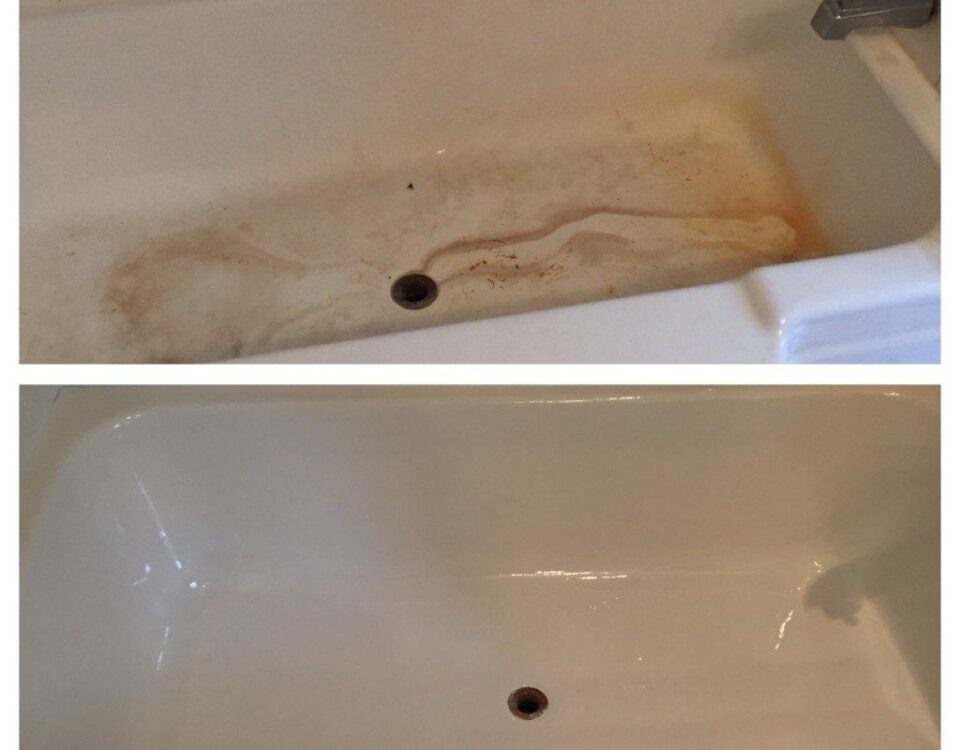
Surface staining and discoloration. Hard water deposits, rust stains, and general yellowing are extremely common in older Arlington Heights homes. Refinishing completely covers and seals these problems — the old surface is essentially replaced with a new one.
Chips and minor cracks. Small chips from dropping a shampoo bottle or minor surface cracks from decades of thermal cycling (hot water, cold air) can be repaired as part of the refinishing process. If your tub has major structural cracks that go through the full wall of the tub, that’s a different conversation — but surface-level damage is absolutely repairable.
Rough, porous texture. Over time, the original finish on a porcelain or enamel tub wears down, leaving a rough surface that traps soap scum, mildew, and bacteria. This is actually one of the best reasons to refinish — the new coating restores a smooth, non-porous surface that’s dramatically easier to keep clean.
Outdated color. If your tub is harvest gold, avocado green, or powder blue, refinishing lets you change it to white or any other color without replacing the fixture. This is a popular option for Arlington Heights homeowners updating a bathroom on a budget — especially when the tub itself is structurally fine but just looks dated.
Refinishing for Arlington Heights Rental Properties and Condos
Arlington Heights has a healthy mix of single-family homes, condominiums, and rental properties. If you’re a landlord or property manager, refinishing is worth a close look for unit turnover. A fresh-looking bathtub can make a real difference in how a unit photographs for listings and how potential tenants perceive the overall condition of the bathroom.
For condo owners in the downtown Arlington Heights developments along Northwest Highway or near the Metra station, refinishing is often the only practical option. Many condo associations have restrictions on construction work, and the logistics of hauling a bathtub through shared hallways and elevators make replacement impractical. Refinishing avoids all of that — there’s no demolition, no debris, and minimal disruption to neighbors.
Commercial properties like hotels and assisted living facilities in the area also benefit from refinishing. Commercial refinishing services can handle multiple units on a schedule that minimizes downtime, which matters when every room out of service is lost revenue.
What to Expect on the Day of Your Refinishing Appointment
If you’ve never had a tub refinished before, here’s a typical timeline so you know what to expect:
Before the appointment: Remove all personal items from the tub and shower area — bottles, soap dishes, bath mats, curtain rods if they’ll be in the way. The technician needs clear access to the entire tub surface.
During the work: The technician will set up ventilation (proper ventilation is critical during the coating process) and protect surrounding surfaces. The cleaning, repair, etching, and coating process typically takes 3 to 5 hours depending on the condition and size of your tub.
After completion: You’ll need to keep the bathroom well-ventilated and avoid using the tub for 24 to 48 hours while the coating cures. After that, it’s ready for normal use. The surface will be smooth, glossy, and easy to clean — just wipe it down with a soft sponge and mild cleaner.
Frequently Asked Questions
How much does bathtub refinishing cost in Arlington Heights?
Most Arlington Heights homeowners pay between $350 and $600 for a standard bathtub refinishing job. Tub-and-tile combinations or larger fixtures will cost more, typically in the $520 to $1,200 range. This is significantly less than a full tub replacement, which can run $3,000 to $8,000 or more in the Chicago suburbs.
Is bathtub refinishing safe for older cast iron tubs?
Absolutely. Cast iron tubs are actually ideal candidates for refinishing because the underlying structure is incredibly durable. Many Arlington Heights homes built in the 1950s and 1960s have cast iron tubs that are still in excellent structural condition — they just need a new surface. Refinishing preserves the tub and avoids the significant cost and difficulty of removing a heavy cast iron fixture from an older home.
How long do I have to wait to use my tub after refinishing?
Plan on 24 to 48 hours of curing time before using the tub. The technician will give you a specific timeframe based on the products used and conditions in your bathroom. It’s important to wait the full recommended period — using the tub too soon can compromise the bond and durability of the new finish.
Can you change the color of a bathtub with refinishing?
Yes. Refinishing allows you to change your tub from any color to white, off-white, or a range of other options. This is a popular choice for homeowners updating a bathroom that still has original 1960s or 1970s colored fixtures.
Will refinishing fix the rough texture on my old tub?
Yes. One of the primary benefits of refinishing is restoring a smooth, non-porous surface. If your tub feels rough or gritty and is difficult to clean no matter what products you use, refinishing will resolve that by applying a new, factory-smooth coating over the worn original surface.
Do I need to refinish the tile surround too, or just the tub?
That’s up to you. If your tile is in decent shape cosmetically, refinishing just the tub is a perfectly good option. If the tile is also stained, cracked, or an outdated color, many companies offer tub-and-tile refinishing as a package, which gives the entire surround a uniform, refreshed look.
The Bottom Line for Arlington Heights Homeowners
If your bathtub is structurally sound but cosmetically worn out, refinishing is almost certainly the most cost-effective path forward. It saves you thousands compared to a full replacement, avoids the hassle and disruption of a major bathroom renovation, and delivers a result that looks and performs like a new tub.
For Arlington Heights homeowners dealing with aging mid-century bathrooms, outdated colors, or tubs that just won’t come clean anymore, it’s worth getting a quote from an experienced refinishing company. Aarco Baths has been serving homeowners across the Chicago area — including Arlington Heights and the surrounding northwest suburbs — since 1963, and they offer free estimates so you can understand your options without any commitment. With locations in Chicago, Addison, and Naperville, they’re well-positioned to serve the Arlington Heights area with the same quality and reliability they’ve built their reputation on over the past six decades.